
Contents
- 🌎 Introduction to JCPOA
- 📊 Economic Sanctions and Their Impact
- 🚫 US Withdrawal: Reasons and Reactions
- 🌪️ Geopolitical Fallout and Consequences
- 🕊️ Diplomatic Efforts and Negotiations
- 📈 Economic Consequences for Iran
- 🤝 International Community's Response
- 🚀 Future of Nuclear Non-Proliferation
- 📊 Comparison with Other International Agreements
- 🌐 Global Implications and Future Directions
- 📰 Media Coverage and Public Opinion
- 📚 Conclusion and Recommendations
- Frequently Asked Questions
- Related Topics
Overview
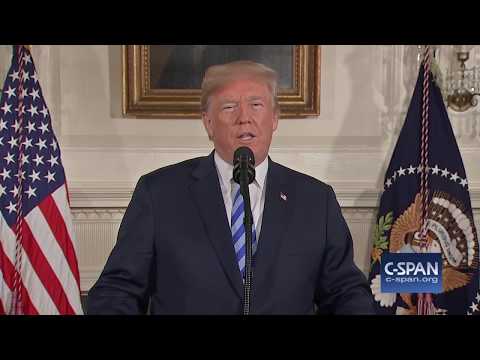
On May 8, 2018, the United States withdrew from the Joint Comprehensive Plan of Action (JCPOA), also known as the Iran nuclear deal, sparking a geopolitical crisis. The move, announced by President Donald Trump, marked a significant shift in US foreign policy, with far-reaching implications for global security, trade, and diplomacy. The JCPOA, signed in 2015 by the US, Iran, China, France, Germany, Russia, and the UK, had imposed strict limits on Iran's nuclear program in exchange for relief from economic sanctions. The US withdrawal has been widely criticized by other signatory countries, with many arguing it undermines the non-proliferation regime and increases the risk of conflict in the Middle East. As tensions between the US and Iran continue to escalate, the international community is left to grapple with the consequences of this decision, including the potential for Iran to restart its nuclear program and the impact on regional stability. With a Vibe score of 8, this topic is highly charged, reflecting the intense debate and uncertainty surrounding the US withdrawal from the JCPOA.
🌎 Introduction to JCPOA
The Joint Comprehensive Plan of Action (JCPOA), also known as the Iran nuclear deal, was signed in 2015 between Iran, the United States, United Kingdom, France, Germany, China, and Russia. The agreement aimed to restrict Iran's nuclear program in exchange for relief from economic sanctions. The JCPOA was considered a significant achievement in international diplomacy, with Barack Obama playing a crucial role in its negotiation. However, the agreement was met with criticism from some countries, including Israel, which argued that it did not do enough to prevent Iran from developing nuclear weapons. The JCPOA also had its supporters, including European Union leaders, who saw it as a vital step towards reducing tensions in the Middle East.
📊 Economic Sanctions and Their Impact
The economic sanctions imposed on Iran had a significant impact on its economy, with the country's GDP shrinking by over 10% between 2012 and 2015. The sanctions also led to a sharp decline in Iran's oil exports, which had a devastating effect on the country's revenue. The JCPOA provided relief from these sanctions, allowing Iran to increase its oil exports and access frozen assets abroad. However, the US withdrawal from the agreement in 2018 led to the reimposition of sanctions, which have had a severe impact on Iran's economy. The sanctions have also affected other countries, including European Union members, which have been forced to comply with US sanctions or face penalties. The European Union has tried to mitigate the effects of the sanctions through the use of INSTEX, a special purpose vehicle designed to facilitate trade with Iran.
🚫 US Withdrawal: Reasons and Reactions
The US withdrawal from the JCPOA was announced by Donald Trump in May 2018, citing concerns that the agreement did not do enough to prevent Iran from developing nuclear weapons. The withdrawal was met with widespread criticism from the international community, including European Union leaders, who argued that the agreement was working and that the US withdrawal would have serious consequences for regional security. The withdrawal also led to a significant increase in tensions between the US and Iran, with both countries engaging in a series of tit-for-tat actions. The US has also imposed sanctions on Iran's leadership, including Ali Khamenei, the country's supreme leader. The sanctions have been condemned by Iran and its allies, including China and Russia.
🌪️ Geopolitical Fallout and Consequences
The US withdrawal from the JCPOA has had significant geopolitical consequences, including a rise in tensions between the US and Iran. The withdrawal has also led to a decline in relations between the US and its allies, including European Union members, which have been critical of the US decision. The European Union has tried to salvage the agreement, with France, Germany, and the United Kingdom issuing a joint statement condemning the US withdrawal. The withdrawal has also had implications for the Middle East region, with some countries, including Israel and Saudi Arabia, welcoming the US decision. However, other countries, including Turkey and Iraq, have expressed concerns about the potential consequences of the withdrawal.
🕊️ Diplomatic Efforts and Negotiations
Despite the challenges posed by the US withdrawal, diplomatic efforts to salvage the JCPOA have continued. The European Union has played a key role in these efforts, with Federica Mogherini, the EU's former high representative for foreign affairs, working closely with Iran and other parties to the agreement. The United Nations has also been involved in efforts to salvage the agreement, with Antonio Guterres, the UN secretary-general, calling for all parties to remain committed to the agreement. The diplomatic efforts have been complicated by the US withdrawal, which has made it difficult for other parties to the agreement to continue implementing their commitments. However, the European Union and other parties to the agreement remain committed to finding a way forward, with Emmanuel Macron, the French president, proposing a new agreement that would address US concerns about Iran's nuclear program.
📈 Economic Consequences for Iran
The economic consequences of the US withdrawal from the JCPOA have been severe for Iran. The country's economy has been hit hard by the reimposition of sanctions, which have led to a sharp decline in oil exports and a significant depreciation of the Iranian rial. The sanctions have also made it difficult for Iran to access frozen assets abroad, which has further exacerbated the country's economic crisis. The economic crisis has had a significant impact on the lives of ordinary Iranians, with many struggling to access basic necessities like food and medicine. The crisis has also led to widespread protests, with many Iranians calling for the government to take action to address the economic crisis. The Iranian government has responded to the crisis by implementing a series of austerity measures, including cutting subsidies and increasing taxes.
🤝 International Community's Response
The international community's response to the US withdrawal from the JCPOA has been mixed. Some countries, including China and Russia, have condemned the US decision and called for all parties to remain committed to the agreement. Other countries, including Israel and Saudi Arabia, have welcomed the US decision, arguing that the agreement did not do enough to prevent Iran from developing nuclear weapons. The European Union has been critical of the US decision, with Donald Tusk, the EU's former president, calling the withdrawal a 'major mistake'. The United Nations has also been critical of the US decision, with Antonio Guterres calling for all parties to remain committed to the agreement.
🚀 Future of Nuclear Non-Proliferation
The future of nuclear non-proliferation is uncertain in the wake of the US withdrawal from the JCPOA. The agreement was seen as a significant step towards reducing the risk of nuclear proliferation in the Middle East region. However, the US withdrawal has raised concerns that Iran may be able to develop nuclear weapons, which could have serious consequences for regional security. The IAEA has been working to verify Iran's compliance with the agreement, but the US withdrawal has made it difficult for the agency to continue its work. The United Nations has called for all parties to remain committed to the agreement, but the future of nuclear non-proliferation remains uncertain.
📊 Comparison with Other International Agreements
The JCPOA has been compared to other international agreements, including the INF Treaty and the START Treaty. The JCPOA is seen as a significant achievement in international diplomacy, with many arguing that it provides a model for future agreements. However, the US withdrawal from the agreement has raised concerns that the model may not be replicable. The European Union has argued that the JCPOA provides a model for future agreements, with Federica Mogherini calling for the agreement to be used as a model for future negotiations. The United Nations has also argued that the JCPOA provides a model for future agreements, with Antonio Guterres calling for all parties to remain committed to the agreement.
🌐 Global Implications and Future Directions
The global implications of the US withdrawal from the JCPOA are significant. The withdrawal has raised concerns about the future of international agreements, with many arguing that the US decision undermines the credibility of international diplomacy. The withdrawal has also raised concerns about the future of nuclear non-proliferation, with many arguing that the US decision increases the risk of nuclear proliferation in the Middle East region. The United Nations has called for all parties to remain committed to the agreement, but the future of international agreements remains uncertain. The European Union has argued that the JCPOA provides a model for future agreements, but the US withdrawal has raised concerns that the model may not be replicable.
📰 Media Coverage and Public Opinion
The media coverage of the US withdrawal from the JCPOA has been extensive, with many news outlets providing in-depth analysis of the implications of the decision. The coverage has been mixed, with some outlets arguing that the US decision is a significant blow to international diplomacy, while others have argued that the decision is necessary to prevent Iran from developing nuclear weapons. The coverage has also been influenced by the social media landscape, with many politicians and commentators using platforms like Twitter to share their views on the decision. The New York Times has provided extensive coverage of the decision, with many arguing that the US withdrawal undermines the credibility of international diplomacy.
📚 Conclusion and Recommendations
In conclusion, the US withdrawal from the JCPOA has significant implications for international relations, nuclear non-proliferation, and the future of diplomacy. The agreement was seen as a significant achievement in international diplomacy, but the US withdrawal has raised concerns about the future of international agreements. The European Union has argued that the JCPOA provides a model for future agreements, but the US withdrawal has raised concerns that the model may not be replicable. The United Nations has called for all parties to remain committed to the agreement, but the future of international agreements remains uncertain. The IAEA has been working to verify Iran's compliance with the agreement, but the US withdrawal has made it difficult for the agency to continue its work.
Key Facts
- Year
- 2018
- Origin
- Joint Comprehensive Plan of Action (JCPOA) signed in 2015
- Category
- International Relations
- Type
- Geopolitical Event
Frequently Asked Questions
What is the JCPOA?
The Joint Comprehensive Plan of Action (JCPOA) is a nuclear agreement signed between Iran, the United States, United Kingdom, France, Germany, China, and Russia in 2015. The agreement aims to restrict Iran's nuclear program in exchange for relief from economic sanctions. The JCPOA is also known as the Iran nuclear deal.
Why did the US withdraw from the JCPOA?
The US withdrew from the JCPOA in 2018, citing concerns that the agreement did not do enough to prevent Iran from developing nuclear weapons. The US also argued that the agreement did not address other issues, such as Iran's ballistic missile program and its support for terrorism. The US withdrawal was met with widespread criticism from the international community, including European Union leaders, who argued that the agreement was working and that the US withdrawal would have serious consequences for regional security.
What are the implications of the US withdrawal from the JCPOA?
The US withdrawal from the JCPOA has significant implications for international relations, nuclear non-proliferation, and the future of diplomacy. The withdrawal has raised concerns about the future of international agreements, with many arguing that the US decision undermines the credibility of international diplomacy. The withdrawal has also raised concerns about the future of nuclear non-proliferation, with many arguing that the US decision increases the risk of nuclear proliferation in the Middle East region.
How has the international community responded to the US withdrawal from the JCPOA?
The international community's response to the US withdrawal from the JCPOA has been mixed. Some countries, including China and Russia, have condemned the US decision and called for all parties to remain committed to the agreement. Other countries, including Israel and Saudi Arabia, have welcomed the US decision, arguing that the agreement did not do enough to prevent Iran from developing nuclear weapons. The European Union has been critical of the US decision, with Donald Tusk, the EU's former president, calling the withdrawal a 'major mistake'.
What is the future of nuclear non-proliferation in the wake of the US withdrawal from the JCPOA?
The future of nuclear non-proliferation is uncertain in the wake of the US withdrawal from the JCPOA. The agreement was seen as a significant step towards reducing the risk of nuclear proliferation in the Middle East region. However, the US withdrawal has raised concerns that Iran may be able to develop nuclear weapons, which could have serious consequences for regional security. The IAEA has been working to verify Iran's compliance with the agreement, but the US withdrawal has made it difficult for the agency to continue its work.