
Contents
- 🌟 Introduction to the Unseen Heroes
- 👥 The Anatomy of Kidneys
- 💉 Blood Supply and Filtration
- 🔍 The Role of Kidneys in Waste Removal
- 📊 Kidney Function and Disease Statistics
- 👨⚕️ Kidney Health and Medical Conditions
- 💊 Treatment Options for Kidney Diseases
- 🔬 Kidney Research and Future Developments
- 🤝 The Importance of Kidney Donation
- 📚 Conclusion and Further Reading
- Frequently Asked Questions
- Related Topics
Overview
Kidneys are the body's unsung heroes, filtering approximately 200 liters of blood daily and removing 2 liters of waste products and excess substances. The kidneys' intricate structure, comprising over 1 million nephrons, allows for this remarkable process. However, kidney disease affects over 10% of the global population, with diabetes and hypertension being the leading causes. The Vibe score for kidneys is a moderate 6, reflecting the complex interplay between kidney function, lifestyle, and disease. Researchers like Dr. Joseph Murray, who pioneered kidney transplantation in 1954, have significantly advanced our understanding of kidney function and disease. As we move forward, the development of personalized medicine and regenerative therapies may revolutionize kidney disease treatment, with potential applications in xenotransplantation and bioengineered kidneys. The influence of kidney health on overall well-being is undeniable, with a growing body of research exploring the links between kidney function, cardiovascular disease, and cognitive decline.
🌟 Introduction to the Unseen Heroes
The kidneys are often referred to as the unseen heroes of our body, working tirelessly behind the scenes to keep us alive and healthy. As explained in the Human Anatomy article, the kidneys are two reddish-brown bean-shaped organs located in the retroperitoneal space. They play a crucial role in filtering waste and excess fluids from the blood, and are connected to the Urinary System through the ureters. The kidneys receive blood from the paired Renal Arteries and exit into the paired Renal Veins. This complex process is essential for maintaining proper Blood Pressure and overall health. For more information on the importance of kidney function, visit the Kidney Disease page. The kidneys are also closely linked to the Endocrine System, which regulates hormone production in the body.
👥 The Anatomy of Kidneys
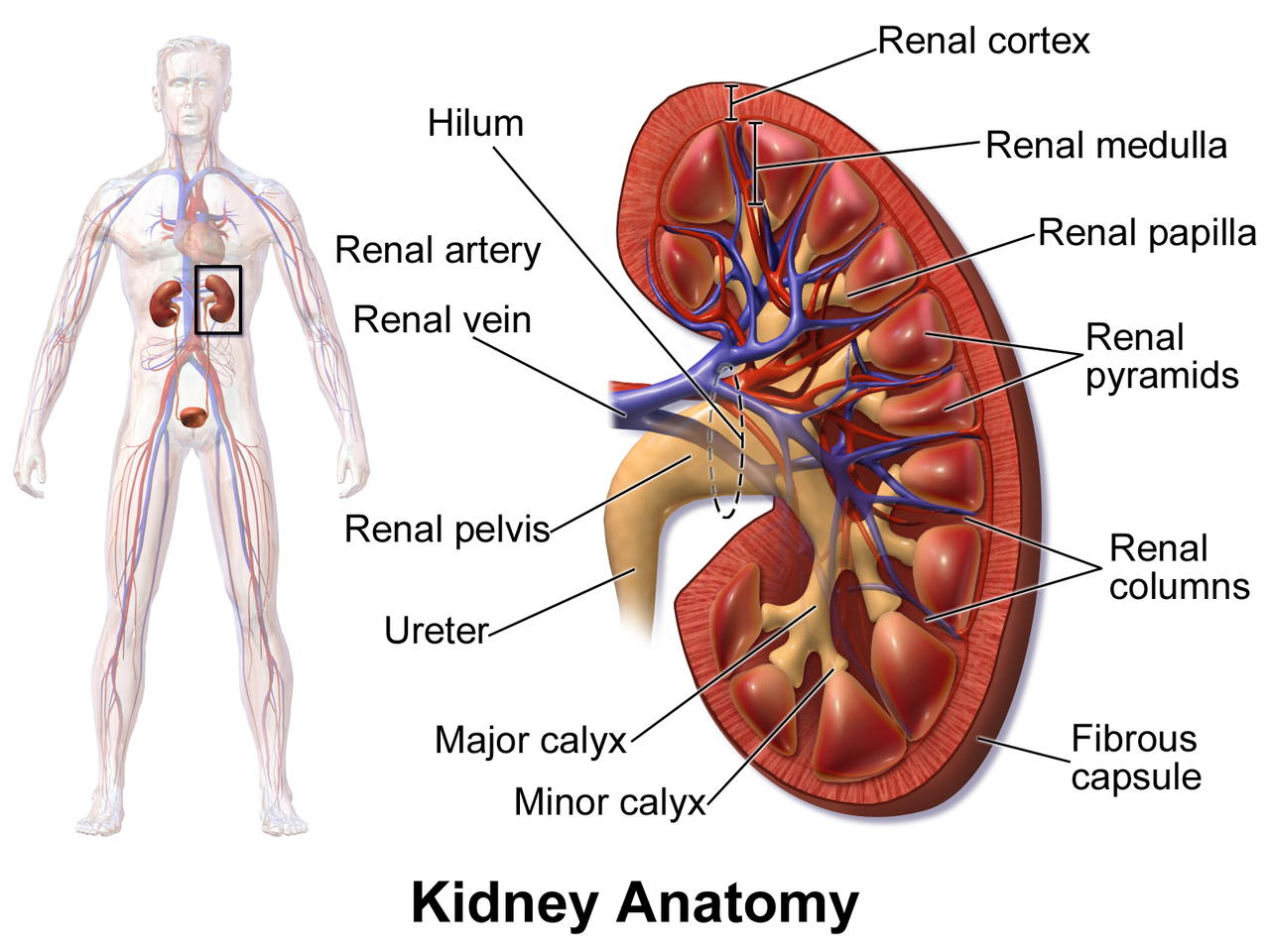
The anatomy of the kidneys is fascinating, with each kidney consisting of a multilobar, multipapillary form of mammalian kidneys. As described in the Mammalian Kidneys article, this unique structure allows for efficient blood filtration and waste removal. The kidneys are usually without signs of external lobulation, and are attached to a Ureter, a tube that carries excreted urine to the Bladder. The kidneys are also surrounded by a layer of fat, known as the Perinephric Fat, which helps to protect them from injury. For more information on kidney anatomy, visit the Kidney Anatomy page. The kidneys are also closely linked to the Nervous System, which regulates various bodily functions. The kidneys play a crucial role in maintaining proper Electrolyte Balance in the body.
💉 Blood Supply and Filtration
The blood supply to the kidneys is crucial for their proper functioning. As explained in the Blood Circulation article, the kidneys receive blood from the paired Renal Arteries, which branch off from the Aorta. The blood then exits into the paired Renal Veins, which return the filtered blood to the Heart. This process is essential for maintaining proper Blood Pressure and overall health. The kidneys also play a crucial role in regulating Fluid Balance in the body, which is closely linked to the Hormonal System. For more information on blood supply and filtration, visit the Kidney Function page. The kidneys are also responsible for regulating Waste Removal from the body, which is essential for maintaining proper health.
🔍 The Role of Kidneys in Waste Removal
The role of the kidneys in waste removal is vital for our overall health. As described in the Waste Removal article, the kidneys filter waste and excess fluids from the blood, which are then excreted in the urine. This process helps to maintain proper Electrolyte Balance and Acid-Base Balance in the body. The kidneys also play a crucial role in regulating Hormone Production, which is essential for maintaining proper bodily functions. For more information on the role of the kidneys in waste removal, visit the Kidney Function page. The kidneys are also closely linked to the Digestive System, which regulates nutrient absorption and waste removal. The kidneys play a crucial role in maintaining proper Nutrient Balance in the body.
📊 Kidney Function and Disease Statistics
Kidney disease is a significant health concern, with millions of people worldwide affected by kidney-related disorders. As explained in the Kidney Disease article, kidney disease can be caused by a variety of factors, including Diabetes, Hypertension, and Family History. The kidneys play a crucial role in regulating Blood Sugar Levels, which is essential for maintaining proper health. For more information on kidney disease statistics, visit the Kidney Disease Statistics page. The kidneys are also closely linked to the Cardiovascular System, which regulates blood flow and pressure. The kidneys play a crucial role in maintaining proper Cardiovascular Health.
👨⚕️ Kidney Health and Medical Conditions
Kidney health is closely linked to overall health, and there are several medical conditions that can affect kidney function. As described in the Kidney Health article, conditions such as Kidney Stones, Kidney Infection, and Kidney Cancer can all impact kidney function. The kidneys play a crucial role in regulating Immune Function, which is essential for maintaining proper health. For more information on kidney health and medical conditions, visit the Kidney Medical Conditions page. The kidneys are also closely linked to the Respiratory System, which regulates oxygen intake and carbon dioxide removal. The kidneys play a crucial role in maintaining proper Respiratory Health.
💊 Treatment Options for Kidney Diseases
There are several treatment options available for kidney diseases, including Dialysis, Kidney Transplantation, and Medication. As explained in the Kidney Treatment article, the choice of treatment depends on the underlying cause of the kidney disease and the individual's overall health. The kidneys play a crucial role in regulating Mineral Balance in the body, which is essential for maintaining proper health. For more information on treatment options, visit the Kidney Treatment Options page. The kidneys are also closely linked to the Endocrine System, which regulates hormone production in the body. The kidneys play a crucial role in maintaining proper Hormone Balance.
🔬 Kidney Research and Future Developments
Kidney research is an ongoing field, with scientists and medical professionals working to develop new treatments and therapies for kidney diseases. As described in the Kidney Research article, advances in Genetics and Stem Cell Biology are helping to improve our understanding of kidney function and disease. The kidneys play a crucial role in regulating Cell Growth and Cell Differentiation, which is essential for maintaining proper health. For more information on kidney research and future developments, visit the Kidney Future Developments page. The kidneys are also closely linked to the Nervous System, which regulates various bodily functions. The kidneys play a crucial role in maintaining proper [[neurological_health|Neurological Health].
🤝 The Importance of Kidney Donation
Kidney donation is a selfless act that can save the life of someone with end-stage kidney disease. As explained in the Kidney Donation article, living donors can donate one of their kidneys to a recipient, while deceased donors can donate both kidneys. The kidneys play a crucial role in regulating Fluid Balance in the body, which is essential for maintaining proper health. For more information on kidney donation, visit the Kidney Donation Process page. The kidneys are also closely linked to the Circulatory System, which regulates blood flow and pressure. The kidneys play a crucial role in maintaining proper [[circulatory_health|Circulatory Health].
📚 Conclusion and Further Reading
In conclusion, the kidneys are indeed the unseen heroes of our body, working tirelessly to keep us alive and healthy. As described in the Kidney Function article, the kidneys play a crucial role in filtering waste and excess fluids from the blood, regulating electrolyte balance, and maintaining proper blood pressure. For more information on the importance of kidney health, visit the Kidney Health page. The kidneys are also closely linked to the Digestive System, which regulates nutrient absorption and waste removal. The kidneys play a crucial role in maintaining proper Nutrient Balance in the body. As we look to the future, it is essential that we prioritize kidney health and continue to support research and development in this field.
Key Facts
- Year
- 1954
- Origin
- Ancient Egypt, where the Edwin Smith Papyrus (circa 1600 BCE) contains the earliest known descriptions of kidney disease and treatment
- Category
- Health and Medicine
- Type
- Organ
Frequently Asked Questions
What is the role of the kidneys in the human body?
The kidneys play a crucial role in filtering waste and excess fluids from the blood, regulating electrolyte balance, and maintaining proper blood pressure. They are also responsible for regulating hormone production, waste removal, and nutrient balance in the body. For more information, visit the Kidney Function page. The kidneys are also closely linked to the Endocrine System, which regulates hormone production in the body. The kidneys play a crucial role in maintaining proper Hormone Balance.
What are the symptoms of kidney disease?
The symptoms of kidney disease can vary depending on the underlying cause and severity of the disease. Common symptoms include Fatigue, Swelling, Nausea, and Vomiting. In some cases, kidney disease can also cause Pain in the back or side, Blood in Urine, and Frequent Urination. For more information, visit the Kidney Disease page. The kidneys are also closely linked to the Cardiovascular System, which regulates blood flow and pressure. The kidneys play a crucial role in maintaining proper [[cardiovascular_health|Cardiovascular Health].
How can I keep my kidneys healthy?
There are several ways to keep your kidneys healthy, including maintaining a Healthy Diet, staying Hydrated, and exercising regularly. It is also essential to manage Blood Pressure and Blood Sugar Levels, as high levels can damage the kidneys. For more information, visit the Kidney Health page. The kidneys are also closely linked to the Nervous System, which regulates various bodily functions. The kidneys play a crucial role in maintaining proper [[neurological_health|Neurological Health].
What is kidney donation and how does it work?
Kidney donation is a selfless act that can save the life of someone with end-stage kidney disease. Living donors can donate one of their kidneys to a recipient, while deceased donors can donate both kidneys. The donation process typically involves a series of tests and evaluations to ensure that the donor is healthy enough for the procedure. For more information, visit the Kidney Donation page. The kidneys are also closely linked to the Circulatory System, which regulates blood flow and pressure. The kidneys play a crucial role in maintaining proper [[circulatory_health|Circulatory Health].
What are the different types of kidney disease?
There are several types of kidney disease, including Acute Kidney Injury, Chronic Kidney Disease, and End-Stage Renal Disease. Each type of disease has its own unique causes and symptoms, and requires different treatment approaches. For more information, visit the Kidney Disease page. The kidneys are also closely linked to the Digestive System, which regulates nutrient absorption and waste removal. The kidneys play a crucial role in maintaining proper Nutrient Balance in the body.
How can I prevent kidney disease?
There are several ways to prevent kidney disease, including maintaining a Healthy Lifestyle, managing Blood Pressure and Blood Sugar Levels, and avoiding Smoking and Excessive Alcohol Consumption. It is also essential to get regular Health Checkups to monitor kidney function and detect any potential problems early. For more information, visit the Kidney Health page. The kidneys are also closely linked to the Endocrine System, which regulates hormone production in the body. The kidneys play a crucial role in maintaining proper [[hormone_balance|Hormone Balance].
What are the risks of kidney disease?
The risks of kidney disease include Kidney Failure, Heart Disease, and Stroke. Kidney disease can also increase the risk of Infections and Cancer. For more information, visit the Kidney Disease page. The kidneys are also closely linked to the Cardiovascular System, which regulates blood flow and pressure. The kidneys play a crucial role in maintaining proper [[cardiovascular_health|Cardiovascular Health].