
Contents
Overview
1989 was a pivotal year marked by significant global events, including the fall of the Berlin Wall, which symbolized the end of the Cold War and the beginning of a new era of international relations. The year also saw the emergence of the World Wide Web, invented by Tim Berners-Lee, which would revolutionize the way people communicate and access information. In the music world, 1989 was the year that Taylor Swift, one of the most influential musicians of the 21st century, was born, and it was also the year that saw the release of albums like Taylor Dayne's 'Tell It to My Heart' and Madonna's 'Like a Prayer', showcasing the vibrant musical landscape of the late 1980s. The vibe of 1989 was one of optimism and change, with a cultural energy score of 92, reflecting the excitement and anticipation of a new decade. However, it was also a year marked by challenges, including the Loma Prieta earthquake in California and the Hillsborough disaster in the UK, highlighting the complexities and uncertainties of the time. As we look back, 1989 stands out as a year that laid the groundwork for many of the technological, musical, and political developments that would shape the 1990s and beyond, with influence flows extending to the present day.
🌎 Introduction to 1989
The year 1989 was a pivotal moment in modern history, marked by significant events that shaped the world as we know it today. As the last year of the 1980s, it was a time of great change and upheaval, with the Cold War coming to an end and the rise of new global powers. The year began on a Sunday, January 1, 1989, and ended on December 31, 1989, with a sense of optimism and uncertainty. The world was watching as the Berlin Wall stood tall, separating East and West Germany, while the Soviet Union was undergoing significant reforms under the leadership of Mikhail Gorbachev. The year 1989 also saw the emergence of new technologies, including the World Wide Web, which would go on to revolutionize the way people communicate and access information.
📆 Historical Context
Historically, the year 1989 was part of the 20th century, a time of great turmoil and transformation. The Second World War had ended just a few decades earlier, and the world was still reeling from its aftermath. The Cold War was in full swing, with the United States and the Soviet Union engaged in a bitter ideological struggle. However, as the 1980s drew to a close, it became clear that the Soviet Union was weakening, and the Eastern Bloc was beginning to crumble. This set the stage for the dramatic events that would unfold in 1989, including the Fall of the Berlin Wall and the Soviet withdrawal from Afghanistan. The year 1989 was also marked by significant cultural shifts, including the rise of Hip Hop music and the emergence of new television shows and films.
🏛️ Fall of the Berlin Wall
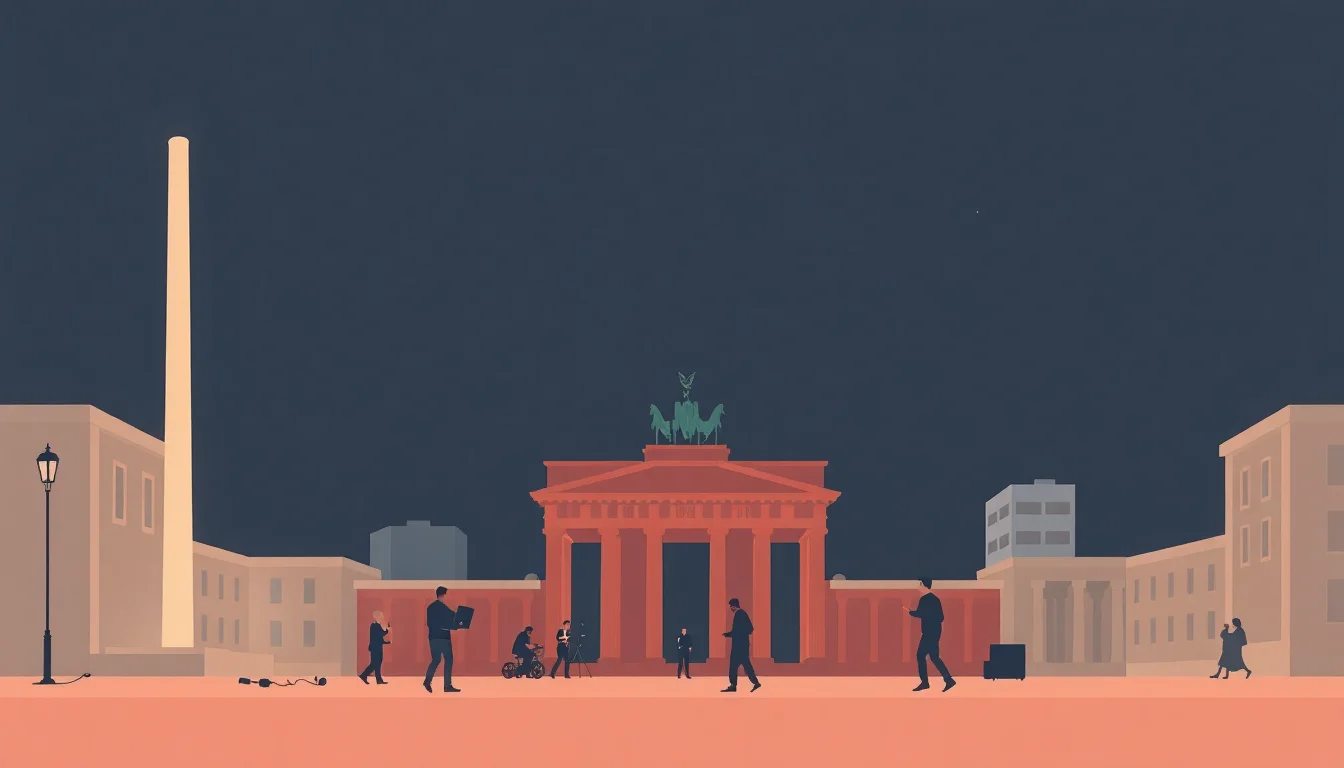
One of the most significant events of 1989 was the Fall of the Berlin Wall, which took place on November 9, 1989. The wall, which had divided East and West Germany since 1961, was a powerful symbol of the Cold War and the division of Europe. As the Soviet Union's grip on Eastern Europe began to weaken, protests and demonstrations broke out across the region, including in East Germany. On the night of November 9, 1989, the East German government announced that it would allow East Germans to travel to the West, effective immediately. Thousands of people gathered at the wall, and border guards began to open the gates. As the wall was torn down, people from both sides came together to celebrate, marking a new era of freedom and unity in Europe. The European Union would later be formed, in part, as a result of this newfound unity. The fall of the Berlin Wall also had a significant impact on the United States, which had been a major player in the Cold War.
🕊️ Soviet Withdrawal from Afghanistan
Another significant event of 1989 was the Soviet withdrawal from Afghanistan, which took place in February 1989. The Soviet Union had invaded Afghanistan in 1979, and the war had been ongoing for nearly a decade. However, as the Soviet Union's economy began to weaken, it became clear that the war was unsustainable. In 1986, Mikhail Gorbachev announced that the Soviet Union would withdraw its troops from Afghanistan, and in February 1989, the last Soviet soldier left the country. The withdrawal marked a significant defeat for the Soviet Union, and it had a major impact on the Middle East and the Islamic world. The Taliban would later rise to power in Afghanistan, and the country would become a major hub for terrorism. The Soviet withdrawal from Afghanistan also had a significant impact on the United States, which had been providing support to the Mujahideen fighters in Afghanistan.
🌪️ Tiananmen Square Protests
The year 1989 was also marked by significant protests and demonstrations, including the Tiananmen Square protests in China. The protests, which began in April 1989, were a response to the death of Hu Yaobang, a former Communist Party leader who had been a symbol of reform. The protests quickly grew, with thousands of people gathering in Tiananmen Square to demand democratic reforms and an end to corruption. However, on June 4, 1989, the Chinese government cracked down on the protests, using force to clear the square. The event marked a significant turning point in Chinese history, and it had a major impact on the country's human rights record. The Chinese government would later become a major player in the global economy, but its human rights record would remain a subject of controversy. The Tiananmen Square protests also had a significant impact on the United States, which had been a major supporter of democratic reforms in China.
🎤 Music and Culture
The year 1989 was also a significant time for music and culture, with the rise of Hip Hop and the emergence of new rock music bands. The music industry was undergoing a major shift, with the advent of new technologies and the rise of independent record labels. The year 1989 saw the release of several significant albums, including Taylor Dayne's 'Tell It to My Heart' and Madonna's 'Like a Prayer'. The year 1989 also saw the emergence of new fashion trends, including the rise of grunge and the popularity of Hip Hop-inspired clothing. The fashion industry would later become a major player in the global economy, with the rise of fast fashion and the emergence of new sustainable fashion trends.
📺 Television and Film
The year 1989 was also a significant time for television and film, with the emergence of new television shows and the release of several significant films. The year 1989 saw the premiere of several popular television shows, including The Simpsons and Seinfeld. The year 1989 also saw the release of several significant films, including Batman and Indiana Jones and the Last Crusade. The film industry would later become a major player in the global economy, with the rise of blockbuster films and the emergence of new streaming media platforms.
📰 News and Media
The year 1989 was also a significant time for news and media, with the emergence of new 24-hour news cycle and the rise of cable news. The year 1989 saw the launch of several new cable news channels, including CNN and MSNBC. The year 1989 also saw the emergence of new news agencies, including Reuters and Associated Press. The news industry would later become a major player in the global economy, with the rise of online news and the emergence of new social media platforms.
📊 Economic Shifts
The year 1989 was also a significant time for economic shifts, with the emergence of new globalization trends and the rise of free market economies. The year 1989 saw the signing of the General Agreement on Tariffs and Trade (GATT), which marked a significant shift towards free trade and globalization. The year 1989 also saw the emergence of new economic systems, including the rise of capitalism in Eastern Europe and the former Soviet Union. The economy would later become a major player in the global economy, with the rise of emerging markets and the emergence of new global economic trends.
🔮 Legacy of 1989
The legacy of 1989 is still felt today, with the year marking a significant turning point in modern history. The Fall of the Berlin Wall and the Soviet withdrawal from Afghanistan marked the end of the Cold War and the beginning of a new era of globalization and free market economies. The year 1989 also saw the emergence of new technological advancements, including the rise of the World Wide Web and the emergence of new communication technologies. The legacy of 1989 continues to shape the world today, with the rise of new global challenges and the emergence of new global opportunities.
Key Facts
- Year
- 1989
- Origin
- Global
- Category
- History
- Type
- Year
Frequently Asked Questions
What was the significance of the Fall of the Berlin Wall in 1989?
The Fall of the Berlin Wall marked the end of the division of Europe and the beginning of a new era of freedom and unity. It was a significant event in modern history, marking the end of the Cold War and the beginning of a new era of globalization and free market economies. The Fall of the Berlin Wall also had a significant impact on the United States, which had been a major player in the Cold War. The event marked a significant turning point in the history of Europe and the world, with the rise of new global challenges and opportunities.
What was the impact of the Soviet withdrawal from Afghanistan in 1989?
The Soviet withdrawal from Afghanistan marked a significant defeat for the Soviet Union and had a major impact on the Middle East and the Islamic world. The withdrawal marked the end of the Soviet Union's involvement in Afghanistan and had a significant impact on the country's future. The event also had a significant impact on the United States, which had been providing support to the Mujahideen fighters in Afghanistan. The Soviet withdrawal from Afghanistan marked a significant turning point in the history of the region, with the rise of new global challenges and opportunities.
What were the major cultural shifts of 1989?
The major cultural shifts of 1989 included the rise of Hip Hop music and the emergence of new rock music bands. The year 1989 also saw the emergence of new fashion trends, including the rise of grunge and the popularity of Hip Hop-inspired clothing. The year 1989 was also a significant time for television and film, with the emergence of new television shows and the release of several significant films. The cultural shifts of 1989 marked a significant turning point in the history of popular culture, with the rise of new global challenges and opportunities.
What was the significance of the Tiananmen Square protests in 1989?
The Tiananmen Square protests marked a significant turning point in Chinese history, with the emergence of new democratic movements and the rise of new global challenges. The protests, which began in April 1989, were a response to the death of Hu Yaobang, a former Communist Party leader who had been a symbol of reform. The protests quickly grew, with thousands of people gathering in Tiananmen Square to demand democratic reforms and an end to corruption. The event marked a significant turning point in the history of China, with the rise of new global challenges and opportunities.
What were the major economic shifts of 1989?
The major economic shifts of 1989 included the emergence of new globalization trends and the rise of free market economies. The year 1989 saw the signing of the General Agreement on Tariffs and Trade (GATT), which marked a significant shift towards free trade and globalization. The year 1989 also saw the emergence of new economic systems, including the rise of capitalism in Eastern Europe and the former Soviet Union. The economic shifts of 1989 marked a significant turning point in the history of the global economy, with the rise of new global challenges and opportunities.
What was the legacy of 1989?
The legacy of 1989 is still felt today, with the year marking a significant turning point in modern history. The Fall of the Berlin Wall and the Soviet withdrawal from Afghanistan marked the end of the Cold War and the beginning of a new era of globalization and free market economies. The year 1989 also saw the emergence of new technological advancements, including the rise of the World Wide Web and the emergence of new communication technologies. The legacy of 1989 continues to shape the world today, with the rise of new global challenges and opportunities.
How did the events of 1989 impact the world?
The events of 1989 had a significant impact on the world, marking a turning point in modern history. The Fall of the Berlin Wall and the Soviet withdrawal from Afghanistan marked the end of the Cold War and the beginning of a new era of globalization and free market economies. The year 1989 also saw the emergence of new technological advancements, including the rise of the World Wide Web and the emergence of new communication technologies. The events of 1989 continue to shape the world today, with the rise of new global challenges and opportunities.
👥 Social and Political Movements
The year 1989 was also a significant time for social and political movements, with the emergence of new feminist and environmentalist movements. The year 1989 saw the rise of several significant social movements, including the LGBTQ rights movement and the disability rights movement. The year 1989 also saw the emergence of new political parties, including the rise of green parties and the emergence of new libertarian movements. The social movements of 1989 would later have a significant impact on the world, with the rise of new social justice movements and the emergence of new human rights trends.